
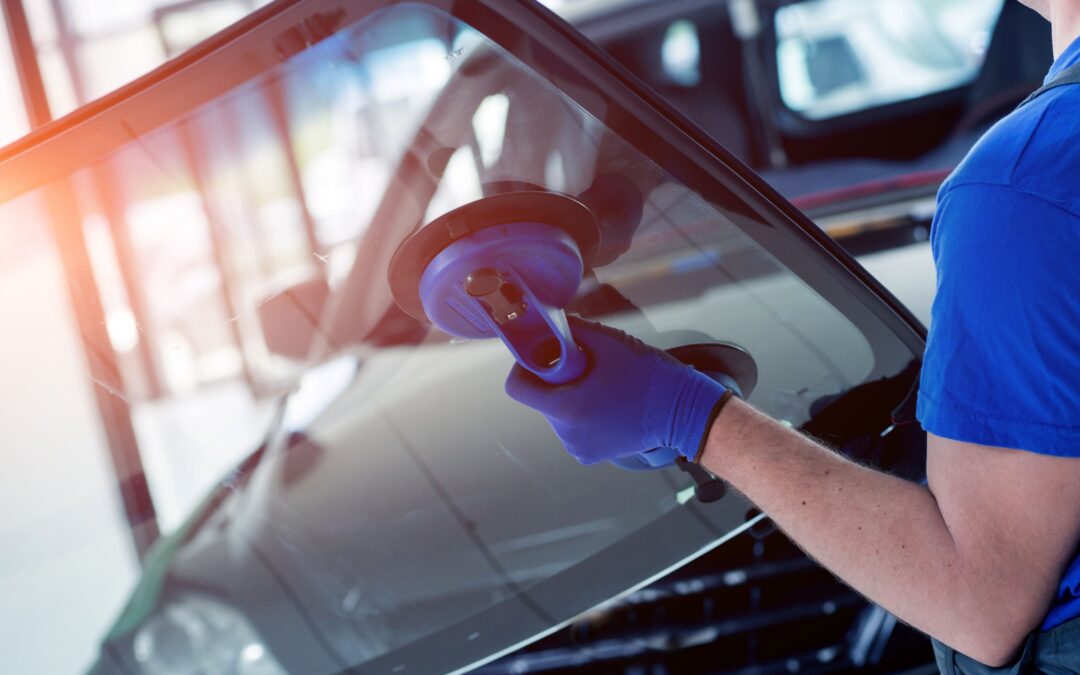
Why Modern Safety Features Depend On The Right Glass
Modern safety systems do a lot more than react when a crash happens; they work to help you avoid one in the first place. Lane departure warning, lane-keep assist, automatic emergency braking, traffic sign recognition, and even some cruise control functions rely on cameras mounted up near the top of your windshield. Those cameras are the “eyes” of your advanced driver assistance systems (ADAS), and the glass functions like the lenses on a pair of prescription glasses.
When the factory designs these systems, they tune them around very specific glass: the original windshield. Thickness, curvature, tint, and optical clarity all affect how light passes through and how the camera sees lane lines, vehicles, and signs. Swap that out with aftermarket windshields that do not match those specs closely, and the view to the camera changes, sometimes in ways you cannot see with your own eyes. The system expects one kind of lens and ends up looking through another.
How Glass Affects Forward Facing Cameras And ADAS
Every time you drive, that forward-facing camera is analyzing the road in real time. It tracks the contrast between lane markings and pavement, looks for headlights and taillights ahead, and picks up shapes and symbols on signs. Even subtle distortion, haze, or different light transmission in the glass can change how those details appear. To you, the road still looks normal. To the camera, things are slightly warped or dimmed in certain areas.
That difference matters. Aftermarket windshields that bend light differently can make lane lines look closer or farther than they are, or cause them to fade earlier under certain lighting. The ADAS software may struggle to lock on, misjudge distances, or lose confidence and switch some features off. It is like asking someone to read street signs while wearing the wrong prescription glasses: they might manage most of the time, but they will miss things when conditions get tough.
Common Problems After “Cheap” Windshield Swaps
A lot of the trouble with aftermarket windshields shows up slowly, which makes it harder for drivers to connect the dots. Someone gets a low-cost glass replacement, then months later notices that lane-keep assist feels inconsistent. Maybe the forward collision warning triggers too often in normal traffic, or not at all when it should. Sometimes the only sign is a random warning message that comes and goes without explanation.
In other cases, the shop installs new glass and sends the vehicle out without any camera recalibration. The systems try to run using old calibration data that was set up for the original windshield. With aftermarket windshields in place, the camera’s position and view have changed, but the “map” in the car’s brain has not. That mismatch leads to false alarms, missed alerts, or systems that silently disable themselves. To the driver, it feels like the car has become quirky or unreliable, when the real issue started the day the wrong glass went in.
The Hidden Cost Of Chasing The Lowest Windshield Price
On paper, aftermarket windshields look like an easy way to save money. The price is lower, the crack disappears, and the car looks presentable again. What rarely gets discussed at that moment is the cost in performance and safety. If your forward collision warning hesitates, or lane-keep assist fails to nudge you back in time, that earlier savings can feel pretty meaningless in a close call on the highway.
There is also the cost of chasing down issues afterward. When ADAS features act up, shops have to spend diagnostic time scanning systems, recalibrating cameras, and sometimes replacing the glass again with OEM parts anyway. So the “cheap” windshield ends up leading to more work, more time without the car, and more frustration. It is the classic “buy once, cry once” situation: paying more up front for OEM glass and proper calibration hurts less than paying twice and still not trusting your safety systems.
Why OEM Glass Is Designed For Safety Tech
OEM windshields are not fancy for the sake of being fancy. They are built as part of the overall safety system. Engineers test how cameras and sensors behave with that exact glass in place, under different lighting, weather, and road conditions. They know how it bends light, how it handles glare, and how it impacts the camera’s ability to see lane markings and objects at different distances.
With aftermarket windshields, there is no guarantee the glass lines up with those design assumptions. The tint might be slightly different, the curve may not match perfectly, or the way the inner layers are constructed can change how the image looks to the camera. In the world of ADAS, “close enough” is not really good enough. OEM glass is the reference point that keeps all those calculations honest, which is why pairing OEM glass with proper calibration should be nonnegotiable when safety features are on the line.
Why Calibration Still Matters Even With OEM Glass
Even when the right OEM glass is used, your vehicle does not magically understand that it has a new windshield. The camera has been moved, sometimes only a hair, but that is enough to change the geometry of its view. Calibration is how the system relearns where the horizon really sits, how far away objects appear, and where the lane markings should fall in its field of vision.
Skipping calibration after a glass swap is like changing out a camera lens and expecting all your photos to come out perfectly focused without adjusting anything. The system might muddle through, but it will not be as sharp or as reliable as it should be. When you combine aftermarket windshields and no calibration, you stack two problems on top of each other: the wrong glass and a camera that has not been properly reoriented.
Static And Dynamic Calibration After Windshield Replacement
Most modern vehicles require some form of calibration after windshield work, sometimes both static and dynamic. Static calibration happens in the shop, with special targets set up at precise distances and angles. The camera “looks” at those targets through the new windshield and updates its internal settings so it can interpret what it sees on the road correctly.
Dynamic calibration, on the other hand, takes place while driving. The car is taken on specific routes at certain speeds while the system gathers real-world data, comparing lane lines and objects to what it expects. When aftermarket windshields have changed the game, this process becomes even more important, because the vehicle has to reconcile how the world appears through the new glass with its built-in logic. Without these steps, your camera is guessing, and safety features are gambling every time they activate.
How Pre And Post Scans Tie Into Glass Work
Windshield replacement does not happen in a vacuum. Pre and post scans are how shops verify the health of your safety systems before and after the work. A pre scan shows which systems are already upset, and whether there are existing issues unrelated to the glass. It sets a baseline, so if anything changes after the windshield swap, there is a clear “before” to compare against.
Post scans confirm that the ADAS features and related modules are happy with the new setup. If codes appear after installing aftermarket windshields, or if certain systems refuse to complete calibration, the scan makes that visible. It is the difference between hoping everything is fine and having proof that your car’s brain sees the world clearly again. In a proper repair process, scans and calibrations are part of a complete story, not optional extras tacked on at the end.
Real-World Symptoms Drivers See After Bad Glass Jobs
From the driver’s seat, the red flags after a poor windshield job can look like weird little annoyances at first. Lane-keep assist might tug the wheel late, or not at all. Forward collision warning could flash too often in normal traffic, to the point where people start ignoring it. Automatic high beams may flicker or hesitate. Over time, many drivers simply turn features off or tune them out, which defeats the whole purpose of having modern safety tech.
Sometimes, the only clue is a warning message that appears once and then disappears for weeks. That lone blink from the dash is easy to forget, yet it can be the only hint that the system knows something is wrong. When aftermarket windshields and lack of calibration are part of the picture, these glitches are not random; they are symptoms of a safety net that is not fully intact anymore.
How CA Collision Handles Windshields And Safety Tech
At CA Collision, we treat glass as safety equipment, not just a cosmetic fix. When a vehicle’s windshield needs replacement and it has cameras or ADAS sensors tied to that glass, we recommend OEM windshields and follow manufacturer calibration procedures. The goal is not to sell the most expensive option; it is to make sure your collision-avoidance tech is working as designed when you pull back onto the road.
Our process includes pre and post scans, proper documentation, and calibrations that line up with what your specific make and model calls for. If you want to see how seriously we take the full repair journey, you can review our collision repair services, look through the before and after gallery, and read real customer testimonials about their experiences. Behind every clean windshield in those photos are safety systems that have been checked, calibrated, and set up to protect you again.
Your Next Step Before Saying Yes To Aftermarket Windshields
If someone is offering you a bargain glass job and it involves aftermarket windshields on a vehicle with modern safety features, it is worth slowing down and asking a few questions. What kind of glass will they use? Will the cameras be calibrated afterward? Are pre and post scans part of the plan, or is the work “good enough” once the crack is gone?
If you want help sorting through those choices, reach out to CA Collision at 925-484-0111. We can explain what your specific vehicle needs, walk you through the safest options, and make sure your car leaves with glass and technology that work together, not against each other. You can also connect with us through our online contact page if that is easier for your schedule.