
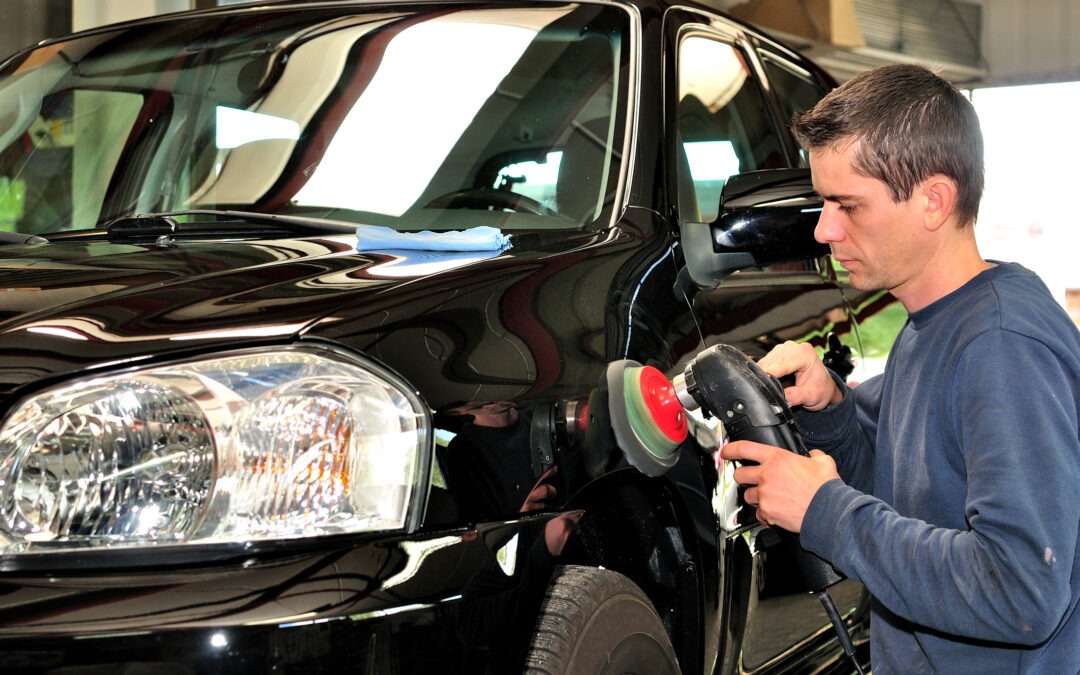
Your car’s exterior takes a beating from sun, road grime, bird droppings, parking lots, and surprise storms. Good car body maintenance protects the paint you see every day while helping stop moisture from reaching the metal underneath. A few steady habits can keep minor blemishes from turning into a bigger repair later.
Why Car Body Maintenance Matters
Paint does more than make your vehicle look good in the driveway. The clear coat and paint layers help protect the body panels from moisture, grime, sunlight, and other materials that can wear down the finish. Once a chip or scratch reaches bare metal, rust can begin forming under the damaged spot.
Car body maintenance gives you a chance to catch small issues before they spread. That could be a stone chip near the hood, a scrape on the bumper, or a bubble around the edge of a door. None of those are fun to find, but early attention is far easier than dealing with rust hiding beneath a larger patch of damaged paint.
Your vehicle does not need to look like it belongs in a showroom every day. It does need regular care, though, because ignored dirt and moisture have a habit of working their way into places where they do not belong. A little upkeep today can save a lot of hassle down the road.
Wash Away Road Grime
A regular wash is the foundation of car body maintenance. Dirt, dust, tree sap, bird droppings, road salt, and other residue can sit on the paint and slowly wear down the protective finish. The longer those contaminants stay put, the more time they have to cause staining or corrosion.
Use a car-specific soap that is gentle on automotive paint. Household dish soap may cut grease well, but it can strip away protective wax and leave the finish more exposed. A pH-neutral automotive soap is a safer choice for keeping the clear coat in good shape.
The wash method matters too. Rinse loose debris away before touching the paint, then use a clean microfiber wash mitt rather than a worn sponge. Grit trapped in an old sponge can drag across the surface and leave tiny scratches that show up under sunlight. Car body maintenance works best when the tools are as clean as the car.
Washing every one to three weeks is a useful general target, though weather and driving conditions should guide the schedule. If you drive through construction areas, near the coast, or on roads treated with salt, your vehicle may need more frequent attention.
Do Not Forget The Undercarriage
The body panels get most of the attention, but the underside of the vehicle works harder than people realize. Water, road salt, mud, and debris collect around the wheel wells, rocker panels, and undercarriage. These areas are often out of sight until corrosion begins showing itself.
During car body maintenance, ask for an undercarriage rinse or use a wash system that reaches beneath the vehicle. This is especially helpful after driving through standing water, visiting snowy areas, or spending time near salty air. Salt residue can hang around long after a road trip is over.
Take a look inside the wheel wells while you are at it. Packed mud and wet leaves hold moisture against the body and can create a cozy little hiding place for rust. Removing that buildup is not glamorous, but neither is paying for rust repair later.
Protect The Paint With Wax
Wax acts as a protective layer between the paint and the world outside. It helps water bead up and roll away, while dirt and contaminants have a harder time sticking to the finish. A quality wax or sealant can also help limit UV exposure that contributes to fading over time.
Car body maintenance does not require spending every Saturday polishing the entire vehicle. Applying wax once or twice a year gives many daily drivers useful protection, while vehicles exposed to harsh weather may benefit from more frequent care. The exact schedule depends on where you park, how much you drive, and what your car faces each week.
You can test the surface by watching how water behaves after a wash. If water still beads and slides away, the protective layer is probably doing its job. If water sits flat across the paint, it may be time to apply fresh protection.
Handle Scratches Before Rust Gets Started
A small paint chip might feel too minor to worry about, especially if it sits low on a door or near a bumper corner. Yet exposed metal gives moisture a direct path into the body panel. Once rust starts under paint, it can spread wider than the spot you first noticed.
Inspect your vehicle every few weeks, especially after freeway driving or a trip through rough roads. Look along the hood edge, rocker panels, wheel arches, and door edges, since these areas collect chips and abrasions. Check the lower part of the vehicle where you may not notice damage during a quick walkaround.
Touch-up paint can help with very small chips, but deeper scratches and bubbling paint need professional attention. A rushed fix can trap moisture or leave an uneven finish that causes more trouble later. Car body maintenance includes knowing when a project has moved beyond the driveway.
Keep Tree Sap And Bird Droppings Moving
Bird droppings and tree sap are two of the more annoying parts of parking outdoors. They are also rough on paint if they sit too long. Bird droppings can be acidic, while tree sap hardens and becomes harder to remove without scratching the clear coat.
Clean these spots as soon as you can with a product safe for automotive paint and a soft microfiber towel. Letting a cleaner sit briefly can loosen the mess, so you do not need to scrub like you are trying to remove a tattoo. Hard scrubbing is often what creates the bigger paint problem.
A quick wipe-down after parking under trees can be a smart part of car body maintenance. It takes less time than fixing a stained panel, and it keeps the finish looking better between full washes.
Park With The Finish In Mind
Where you park can shape how your paint ages. A garage, carport, or covered space protects the vehicle from intense sun, falling debris, rain, and bird droppings. Over time, less exposure can mean less fading and fewer stains on the clear coat.
Of course, covered parking is not always available. When you park outside, shade can help, but be careful with trees that drop sap, pollen, berries, or branches. A quality car cover can also add protection when it is clean and used correctly.
Avoid placing a dusty cover directly over a dirty car. Dirt trapped beneath the fabric can rub against the paint, leaving fine scratches that make the surface look dull. The goal is protection, not an accidental sandpaper session.
Watch For Rust In Quiet Places
Rust does not always show up as a dramatic orange patch in the middle of a door. It often starts around wheel arches, under door edges, along the trunk lip, or beneath chipped paint near the rocker panels. Small bubbles in the finish can also be a sign that corrosion is working beneath the surface.
Car body maintenance means giving those quiet areas a little attention during washes. Check under door seals, around the fuel door, and inside the trunk or hatch opening. If you see bubbling paint, flaking material, or rust-colored staining, it is time to get it checked.
Do not wait for a small spot to “see what happens.” Rust rarely gets more polite with time. Catching it early allows a repair professional to remove the affected material, restore the finish, and protect the surrounding panel before the work grows larger.
Use Care Around Parking Lot Damage
Parking lots are full of little surprises, from loose carts to doors that swing open with enthusiasm. Even a light ding can chip paint or bend a panel enough to create a place for moisture to settle. Look over your vehicle after you return from a busy shopping center or a crowded event.
If the damage is only a shallow dent and the paint remains intact, paintless dent repair may be an option. If paint is chipped, cracked, or scuffed down to the substrate, repairing it sooner helps protect the panel beneath. Car body maintenance is often about taking small damage seriously before it starts acting expensive.
A good rule is simple: if the paint is broken, the metal deserves attention. You do not need to panic over every mark, but you should not ignore an exposed spot and hope the weather overlooks it.
When Collision Repairs Need Extra Care
After a collision repair, your vehicle may need a little extra attention as you settle back into normal driving. Follow any care guidance for newly painted areas and report concerns like peeling, bubbling, unusual panel gaps, or moisture collecting in a repaired section. These signs can point to a problem that needs attention before it spreads.
For newer vehicles, collision repairs can involve cameras, sensors, and safety systems behind the exterior panels. If the repair touches bumpers, windshields, or sensor mounts, we use pre- and post-repair scans when appropriate to identify diagnostic issues and verify the systems afterward.
We also prioritize OEM parts in areas connected to cameras and sensors. Original manufacturer parts are designed to work with the vehicle’s anti-collision systems, and OEM glass can be especially important for windshield-mounted cameras. An aftermarket windshield may affect how those systems see the road, creating risks for the driver and occupants.
At CA Collision, we handle the visible work and the technology behind it with care. You can explore our collision repair services, browse our before and after gallery, or read customer testimonials from drivers who have trusted us with their vehicles.
FAQs
1. How often should I wash my car to protect the paint?
Most vehicles benefit from a wash every one to three weeks, depending on driving conditions and weather. Wash more often if your car is exposed to road salt, coastal air, construction dust, bird droppings, or tree sap.
2. Does waxing help prevent rust?
Wax helps protect the paint surface by creating a barrier against moisture and contaminants. It cannot fix existing rust, but it can support car body maintenance by helping water and grime slide off the finish.
3. Should I repair small paint chips right away?
Yes, it is wise to address paint chips early. Once bare metal is exposed, moisture can reach the panel and rust may begin. A professional can advise whether a touch-up is enough or if the spot needs a more complete repair.
4. What areas of my car are most likely to rust?
Wheel wells, rocker panels, door edges, trunk openings, and lower body panels are common areas to inspect. These spots collect water, road debris, and salt, which can wear through protective coatings over time.
5. Can bird droppings and tree sap damage automotive paint?
Yes. Bird droppings can stain the paint, while tree sap can harden and become difficult to remove safely. Clean both with a paint-safe product and soft microfiber towel as soon as possible.
6. Is it safe to use dish soap when washing my car?
Dish soap is not the best choice because it can strip protective wax from the paint. Use a pH-neutral car shampoo made for automotive finishes, along with clean microfiber tools.
Keep The Good Finish Going
Car body maintenance does not need to take over your weekend, but it does reward steady attention. If you spot paint damage, rust, or exterior wear that needs a professional eye, call CA Collision at 925-484-0111 or contact our team today.