You are inching through Pleasanton traffic, someone taps your bumper, and suddenly you are swapping insurance info and staring at a scuff that looks more annoying than serious. It is tempting to shrug, promise to “deal with it later,” and move on. What you do not see in that moment is what happens inside your car’s computers. Sensors talk, modules throw small fits, and your safety systems may quietly change how they behave, even though the damage looks minor. That hidden reaction is the real story behind modern collision repair.
What Happens Inside Your Car’s Computers During A Collision
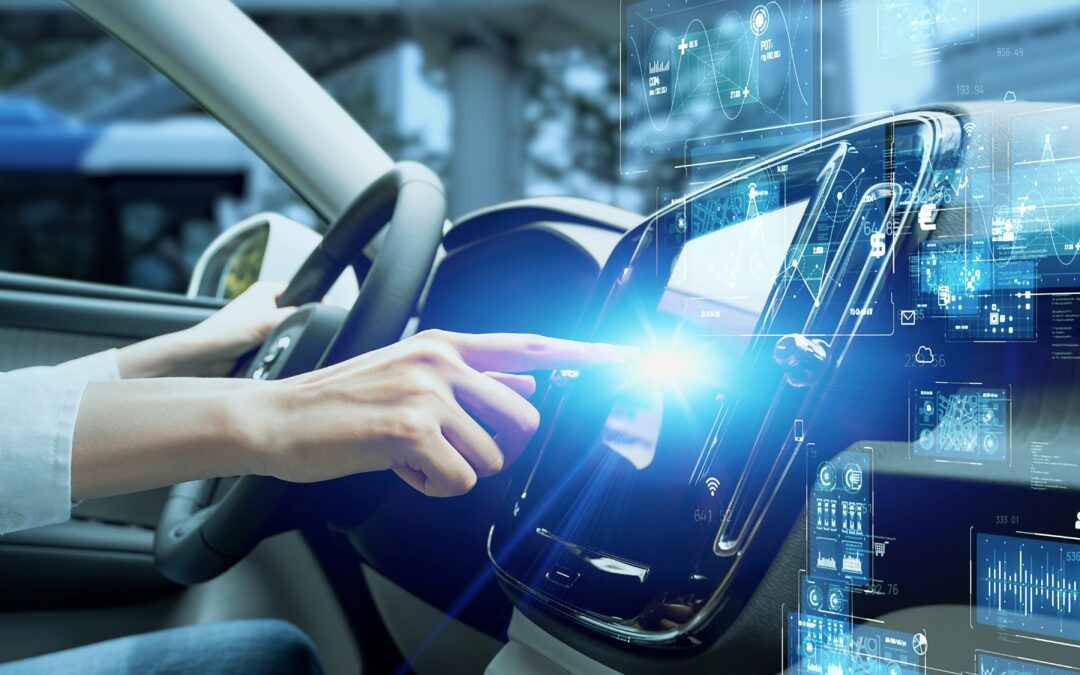
Inside your car, dozens of electronic control modules keep track of everything from engine performance to airbags and advanced driver assistance systems. When a fender bender happens, these modules notice the sudden change in speed, direction, and impact forces. Some of them immediately run through internal checks, asking questions like: “Did any airbags deploy?” “Did a sensor reading jump out of range?” “Did a camera or radar suddenly lose its usual view?”
If something seems off, the computers do not simply shrug it off. They store diagnostic trouble codes (DTCs), flagging that a sensor stopped talking, a module saw a strange signal, or a safety feature may not be able to do its job properly. From your perspective, the car might still drive normally. From the car’s perspective, the incident left a trail of electronic breadcrumbs that need to be followed.
Why A “Minor” Fender Bender Can Upset Sensors And Cameras
Even low-speed hits have a knack for messing with parts you rarely think about. A gentle tap to the front bumper can nudge radar units or their brackets. A light impact at the rear can disturb parking sensors. A sideways bump that shifts a headlight or grille can change the angle of cameras and distance sensors that help with collision warning and lane guidance.
What happens inside your car’s computers after that is simple: they notice that the data they are seeing does not match what they expect. A radar unit might report that it cannot see as far as it used to. A camera may suddenly think the horizon line looks tilted. When readings change beyond their programmed comfort zone, modules log faults and may scale back or disable certain functions rather than risk giving wrong advice. You might never see a dramatic warning, but the car’s brain has already put itself on edge.
How ADAS Gets Quietly Affected Even When The Dash Looks Normal
Advanced Driver Assistance Systems (ADAS) are designed to support you, not nag you. Features like lane-keep assist, blind spot monitoring, and forward collision warning generally avoid screaming at you unless they have to. After a fender bender, they may change their behavior in ways that you barely notice at first. Your blind spot indicator might come on later than it used to, or your lane warning may seem a little hit-or-miss.
Inside the modules that run these features, what happens inside your car’s computers is more obvious. They may log codes indicating sensor misalignment, camera issues, or communication glitches between systems. If the software decides it can no longer trust the data, it can quietly tone down or switch off parts of the system. From the driver’s seat, the car still feels “fine” on a sunny Pleasanton day. In a rainy-night emergency, the missing support may matter quite a bit.
Why The Dash Can Stay Quiet Even When Codes Are Stored
One of the more confusing parts of modern vehicles is that the dashboard does not always show you the whole story. You expect a warning light when something important is wrong. Sometimes you get that. Other times, what happens inside your car’s computers stays hidden, at least from the casual glance. Modules can store codes without triggering a big visual alert, especially if they are in a “watchful waiting” mode.
This means it is possible to have a cluster that looks perfectly normal while the car is sitting on a stack of stored DTCs from your recent fender bender. The electronics know something changed, they have written it down, and they are waiting for a proper diagnostic scan to come along and ask what they saw. Relying only on the dash is like listening to a friend’s tone of voice but never asking what they are actually thinking.
Why Pre Repair Scans Matter After A Small Crash
A pre repair scan is the first real opportunity to hear that internal conversation. Before a shop in Pleasanton pulls off your bumper or orders a single part, they can plug into the diagnostic port and ask every module what it has been feeling since the impact. The scan tool gathers stored and active codes so the technician can see what happens inside your car’s computers in clear, readable form.
This step is especially important after a “minor” hit, because the visual damage might not tell the whole story. A pre scan might reveal that an airbag sensor logged an issue, a radar sensor went out of alignment, or a camera started reporting odd data. With that information, the repair plan can shift from “fix the scuff and move on” to “let’s make sure your safety systems work the way they did before.” It also gives you, and your insurer, a baseline record of the car’s condition before the wrenching begins.
What Post Repair Scans Reveal About Your Car’s Health
Once the visible work is done, a post repair scan answers a simple but crucial question: did the car’s computers accept the fix? This scan looks at modules again, checking whether the codes seen earlier have been resolved, and whether any new ones appeared during repairs. In other words, it shows what happens inside your car’s computers after the fender bender and the subsequent repair, not just after the impact itself.
If the post scan comes back clean, you have tangible evidence that safety systems are back in shape. If modules still complain, the shop knows there is more to do. Skipping this step may save a bit of time, but it leaves you guessing. In a modern collision repair workflow, pre and post scans act like bookends around the whole process, making sure the car’s brain is not quietly unhappy when you drive out of the lot.
Why Original Manufacturer Parts Matter To Your Car’s Brain
The parts used in the repair have a big influence on how happy those computers are afterward. Your car’s sensors and cameras were designed around specific bumpers, brackets, emblems, and windshields. Original manufacturer parts match the shapes, thicknesses, and materials the engineers used when they programmed and tested the safety systems. When those parts go back on, what happens inside your car’s computers is a smoother return to normal.
Swap those pieces out for parts that are close, but not exact, and the story changes. A slightly different bumper cover can alter how radar signals travel. A non-OEM bracket may hold a sensor at a slightly different angle. An aftermarket windshield can bend light differently, changing what the forward-facing camera sees. The modules then have to wrestle with data that does not line up with their design assumptions, which can lead to repeated fault codes, misreads, or features that quietly drop offline.
How Aftermarket Windshields Can Confuse Collision-Avoidance Tech
Windshields are a good example of how something that looks simple can complicate what happens inside your car’s computers. Many modern vehicles mount cameras at the top of the glass to support collision warning, lane guidance, and other ADAS functions. OEM glass is built with specific optical qualities so that camera sees a clean, predictable view. Aftermarket windshields may look great to your eyes, but they can change how light reaches the sensor.
If the camera is looking through glass that distorts or dims parts of the scene differently than expected, its interpretation of lane lines, vehicles, and obstacles can shift. Combine that with a lack of proper calibration, and you have safety tech that is guessing about what it sees. The car’s computers might react by flagging codes, cutting back features, or, worse, missing cues in real-world driving. That is why many careful shops treat OEM glass plus calibration as nonnegotiable parts of safe repairs, especially when collision-avoidance systems are involved.
What A Modern Repair Looks Like When You Respect The Computers
A repair that truly respects what happens inside your car’s computers does more than make the exterior look good. In a Pleasanton shop that takes technology seriously, the process will usually include:
- A pre scan to learn what the modules recorded at the time of the fender bender.
- A repair plan that considers where sensors, cameras, and safety equipment live near the damage.
- Use of original manufacturer parts in areas that interact with those components, including critical brackets and glass.
- Required calibrations for cameras and sensors so they know how to see the world again.
- A post scan to confirm the car’s brain is content with the final result.
From the outside, you see a clean bumper or a refreshed front end. Inside, the computers have settled back into their normal routines, with fault codes cleared and safety systems ready to help you when traffic gets messy again.
FAQS
1. Do I really need a diagnostic scan after a minor fender bender if my car seems fine?
Yes, a scan is still important, even when the damage looks small and the car seems to drive normally. Modern vehicles store fault codes in their computers when sensors, cameras, or modules see something unusual during an impact, and those codes often do not trigger a warning light on the dash right away. A diagnostic scan lets technicians see what your car “felt” during the collision so they can address hidden issues before they turn into inconsistent safety features or bigger problems down the road.
2. What kinds of safety systems can be affected by a low-speed collision?
Even at low speeds, a collision can disrupt systems like forward collision warning, lane-keep assist, blind spot monitoring, and parking sensors. Impacts that nudge bumpers, grilles, mirrors, or windshields can move cameras and radar units slightly off their ideal positions. When that happens, your car’s computers may log fault codes, reduce how those features operate, or quietly switch them off, which can leave you with less support than you expect in busy Pleasanton traffic or on the freeway.
3. Why are pre and post scans both necessary for modern collision repairs?
Pre scans show the “before” state of your vehicle’s electronics by capturing the codes created during the impact, which helps the shop plan a repair that respects your safety systems. Post scans, on the other hand, confirm that those systems are actually happy after parts, alignments, and calibrations are complete. Together, they bookend the repair process, proving that the car’s computers not only recorded the problem, but also accepted the fix, instead of leaving you to assume everything is fine based only on appearance.
4. What’s the big difference between OEM parts and aftermarket parts when it comes to sensors and cameras?
OEM parts are designed to match the exact shapes, thicknesses, and mounting points your car’s safety systems were engineered around. That precision matters when bumpers, brackets, and windshields sit in front of cameras and radar units. Aftermarket parts can fit physically but often vary in small ways that change how sensors see the road or how radar signals travel. Those differences can lead to repeated fault codes, difficult calibrations, or safety features that do not respond the way you expect, which is why OEM components are especially important in areas tied to ADAS and collision-avoidance tech.
5. Can an aftermarket windshield really affect my collision-avoidance systems?
Yes, it can. Forward-facing cameras often look through the windshield, and OEM glass is built with specific optical qualities so those cameras get a clear, predictable view. Aftermarket windshields may look fine to you but can bend or filter light differently, changing how lane lines, vehicles, and obstacles appear to the camera. Without the right glass and proper calibration, your collision-avoidance systems may misinterpret what they see or shut themselves down, which can put you and your passengers at risk when you need those features the most.
How CA Collision Approaches “Minor” Impacts
At CA Collision, we have seen plenty of “minor” fender benders that turned out to be bigger stories once we listened to the car’s electronics. We treat what happens inside your car’s computers as seriously as the dent you can see. That means building pre and post scans into the process where appropriate, paying close attention to sensors and cameras around the damaged area, and favoring original manufacturer parts to keep safety systems working with the hardware they were designed around.
If you want to get a feel for the kind of care that goes into our work, you can explore our collision repair services, see real results in the before and after gallery, and read customer testimonials about their experience after repairs. When you are ready to talk about a fender bender or get your own vehicle checked, you can reach us through the convenient contact page or call CA Collision at 925-484-0111 to schedule a visit.