
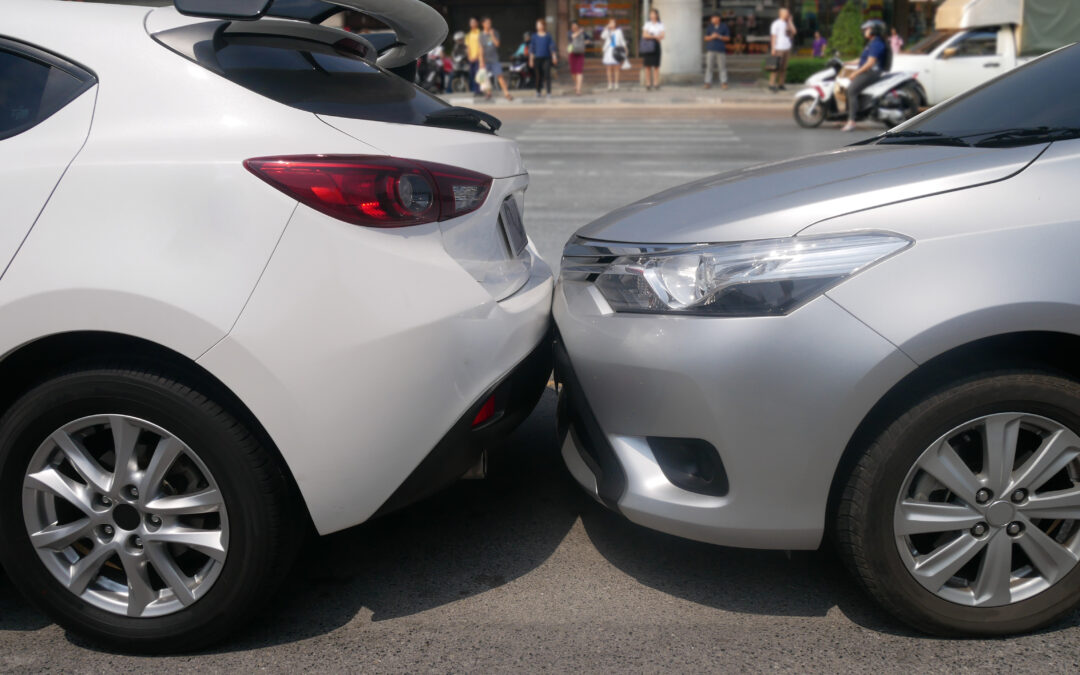
A small tap from behind can leave your bumper looking barely touched. Inside the car, though, backup cameras and parking sensors may be dealing with a mess you cannot see. That is why rear impact repairs need more than a quick visual check.
Why Rear Bumps Matter
A rear-end collision does not have to crush metal to cause trouble. Backup cameras and parking sensors sit in places that take a lot of vibration, shock, and movement when a car gets hit from behind. Even a slow-roll impact in traffic can shift brackets, loosen wiring, or disturb the parts that help those systems read distance.
When that happens, the damage can stay hidden for a while. The dash may stay quiet, the camera image may still show up, and the car may seem fine on a short drive around the block. Then the first time you back into a tight parking space, backup cameras and parking sensors start acting off, and the problem becomes hard to ignore.
What Changes Behind The Bumper
The bumper cover is often the part people notice first, but it is not the only thing involved. Behind it sit mounting points, harnesses, sensor pods, brackets, and support pieces that keep backup cameras and parking sensors lined up with the road and with each other. If the impact pushes one of those parts out of place, the system may still function, but it may not function well.
That is where a minor accident can trick people. The outside may look almost normal, while the parts that guide the system have shifted by a small amount. Even a small angle change can affect how backup cameras and parking sensors judge distance or detect an object behind the car.
The Role Of Pre Scans
A pre repair scan gives the shop a picture of what the car’s computers recorded after the hit. It can reveal trouble codes in the camera module, the parking sensor network, or other linked systems that may not light up the dash. That matters because backup cameras and parking sensors often store faults quietly instead of yelling for attention.
If the scan shows a code before work starts, the shop can trace the issue to the right area. Maybe a sensor lost communication, maybe a bracket moved, or maybe a wire took a hit behind the bumper. Without that first scan, the repair plan can miss the electronic side of the story, and backup cameras and parking sensors may still have problems after the bodywork is done.
Why Post Scans Close The Loop
Once repairs are complete, a post scan checks whether the system accepted the fix. It confirms that backup cameras and parking sensors are no longer reporting faults and that the modules are talking the way they should. This step is easy to skip when a bumper looks clean, but it gives real proof that the repair went beyond surface work.
That final check matters because a repaired bumper can still hide a small problem. A sensor could be mounted slightly off, or a camera could still have a weak signal. Post scans help catch that before the car goes back on the road, where backup cameras and parking sensors are expected to help in daily parking, reversing, and low-speed maneuvers.
OEM Parts And Sensor Accuracy
Original manufacturer parts are a big deal in this kind of repair. Backup cameras and parking sensors depend on exact fits, correct angles, and the right materials around them. OEM bumper parts and brackets are built to match the factory setup, which helps the electronics stay aligned and work the way the carmaker intended.
Aftermarket parts can fit well enough on the outside while still changing what happens behind the panel. A bumper that sits a little different can alter sensor placement, and a bracket that is off by a fraction can shift the camera view. That is why using original manufacturer parts matters so much when backup cameras and parking sensors are part of the repair area.
How The Camera Can Still Be Off
A camera can look fine to the eye and still be off in the system. The lens may show a normal image, but the angle can be wrong after a rear impact. If the mount moved, even slightly, backup cameras and parking sensors may not read the rear zone the same way they did before the hit.
This can show up in odd ways. The image might appear crooked, the sensor warning may sound too soon, or the system may miss a low object near the bumper. A driver may not catch that right away, because backup cameras and parking sensors are so familiar that people trust them without a second thought.
Signs The System Needs Attention
There are a few clues that tell you the rear electronics need a closer look. The camera image may flicker, freeze, or show a weird angle. Parking alerts might beep when nothing is there, or stay too quiet when a post, wall, or cart is behind the car. Those are all hints that backup cameras and parking sensors need more than a cosmetic fix.
Some drivers notice the issue only after parking in a tight garage or backing up at night. That is usually when the weak spots show themselves. It can feel like bad luck, but it often means a part behind the bumper took a hit and backup cameras and parking sensors never got the full repair they needed.
How We Handle These Repairs
At CA Collision, we treat rear impact work with the electronics in mind from the start. Our repair process includes scans, careful inspection, and the right parts for the job, so backup cameras and parking sensors are checked with the same care as the bumper skin itself. That helps us catch hidden issues before they become a bigger problem later.
We also pay attention to how the repair affects fit and alignment. If the bumper needs OEM parts or new brackets to keep the system working right, we use what the vehicle calls for. That gives backup cameras and parking sensors the best chance to perform like they did before the collision.
If you want to see more of our work, take a look at our collision repair services, browse the before and after gallery, or read a few testimonials from drivers who trusted us with their repairs.
FAQs
1. Can a rear-end collision affect backup cameras and parking sensors even if the damage looks small?
Yes, it can. A minor impact can move brackets, disturb wiring, or shift the parts that help backup cameras and parking sensors read the area behind the car. The outside may look fine, but the electronics may still be out of line.
2. Why are pre and post scans needed for this type of repair?
A pre scan helps the shop see what the car’s computers recorded after the impact. A post scan checks whether backup cameras and parking sensors are working correctly after the repair is done. Those two checks help catch hidden issues that a simple visual inspection would miss.
3. Do OEM bumper parts really matter for parking sensors?
Yes, they do. OEM bumper parts and brackets are made to match the factory setup, which helps sensors stay in the correct position. If those parts are off, backup cameras and parking sensors may not read distance the way they should.
4. What happens if the camera looks normal after the repair?
A camera can still be slightly off even if the picture looks normal at first glance. If the mount or bracket shifted in the crash, backup cameras and parking sensors may still give bad readings. That is why a scan and full inspection matter.
5. How do I know if the system is not working right?
Watch for strange beeps, delayed alerts, frozen images, or warnings that appear for no reason. If backup cameras and parking sensors start acting odd after a rear-end hit, the system should be checked right away. Those symptoms often point to a deeper issue behind the bumper.
6. Can CA Collision handle these repairs from start to finish?
Yes, we can. We inspect the damage, check the electronics, use the right parts, and make sure backup cameras and parking sensors are part of the repair plan from the start. That helps us return the car in better shape, not only cleaner on the outside.
Better Than Guessing
A rear-end hit can leave a car looking almost normal while backup cameras and parking sensors are quietly struggling. That is why scanning, OEM parts, and careful repair work matter so much. If you want us to take a look and get it handled right, reach out through our contact page or call CA Collision at 925-484-0111 today.