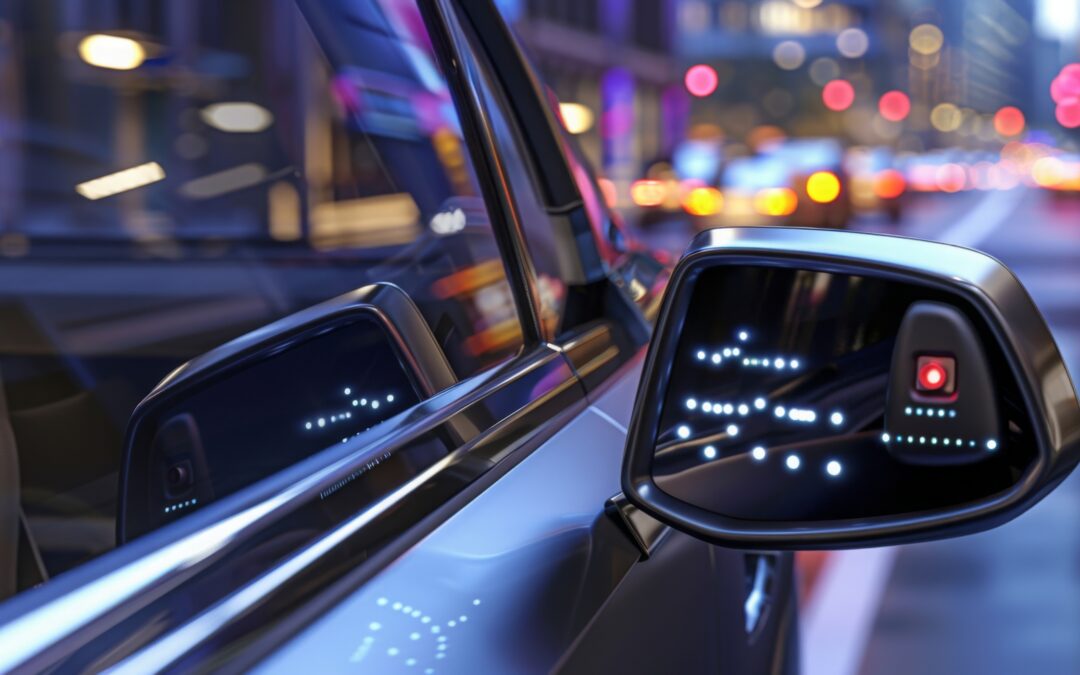
A rear bumper scratch may look like a paint problem, yet it can involve much more on a newer vehicle. Many vehicles hide blind spot radar units behind the rear bumper cover, where paint layers sit directly in the radar’s path. Paintwork and blind spot monitoring can be closely connected, so the repair process needs more care than a simple color match.
The Radar Hiding Behind Your Bumper
Blind spot monitoring uses radar units to watch areas beside and behind your vehicle. These units can alert you when another vehicle enters your blind spot or approaches while you are backing out. On many models, the radar sits behind the rear bumper cover, hidden from view but working whenever you drive.
That placement makes sense for the system, but it changes how bodywork gets handled. The bumper cover becomes part of the radar’s working environment, including its material, its thickness, and the coating applied over the sensor zone. Paintwork and blind spot monitoring meet right at that point, where a repair needs to look good without disrupting the signal.
Why Paint Thickness Can Matter
Paint has layers, including primer, basecoat, and clear coat. Over a normal bumper, those layers are mainly about appearance and durability. Over a radar transmission area, the material and thickness can influence the radar signal passing through the bumper cover.
Too much material can weaken or scatter the signal. A heavy paint application, incorrect undercoat, or filler applied within the radar zone can affect how the sensor sees nearby vehicles. The effect might not show up as a dramatic warning light right away, but blind spot alerts could become less dependable when you need them.
This is why paintwork and blind spot monitoring require manufacturer procedures rather than a one-size-fits-all approach. Every vehicle has its own sensor location, radar zone, coating requirements, and repair limits. A technician needs to know what sits behind that bumper before the repair begins.
Radar-Approved Paint Formulas Are Important
Some manufacturers and paint suppliers identify special formulas for radar zones. These formulas are designed and tested to help radar work through the refinish material when applied according to the repair procedure. If a radar-transparent formula is required, it needs to be mixed accurately and applied without unapproved adjustments.
That can make color matching more complicated. A painter cannot always add tint to fine-tune a shade over the radar area, even when they want the color to match perfectly. The paint formula has to keep the radar system’s needs in mind, which may mean blending color into nearby panels instead of changing the approved mix.
It may sound fussy, but there is a good reason for it. Blind spot monitoring is designed to alert you about vehicles that are difficult to see in mirrors. If the radar signal is weakened by incorrect paintwork, the system could miss a vehicle, bicycle, or cross-traffic hazard.
Why Body Filler Is A Bigger Issue
Body filler can help repair certain dents and gouges on a regular bumper cover. On a bumper with radar behind it, however, there can be strict limits around the radar field of view. Some manufacturer procedures prohibit filler in that area, and cracks or holes in the sensor zone may require bumper replacement instead of a repair.
The reason comes down to radar transmission. Filler adds material between the radar unit and the road around your vehicle. That can distort the signal or make it less consistent. Paintwork and blind spot monitoring can already require special planning, so adding filler in a restricted radar zone can make a repair unsuitable for the safety system.
A repair can look beautiful and still create problems below the surface. This is why an inspection has to identify the radar zone before the refinishing process begins. That knowledge helps us determine when the right repair is possible and when an OEM replacement bumper cover is the safer route.
OEM Bumpers And Brackets Support Accuracy
Original manufacturer bumper covers and brackets are built to work with the radar sensors used on that vehicle. Their material, shape, and mounting points are part of the system’s design. When an impact damages the radar area, OEM parts help restore the platform that blind spot monitoring expects.
Aftermarket parts may look close on the outside, but small differences can affect radar performance. The shape may vary, the material thickness may change, or the sensor bracket may sit slightly out of position. Paintwork and blind spot monitoring become harder to manage when the panel itself is not built to factory standards.
Proper bracket placement also matters. The sensor must be mounted at the correct angle and location before calibration. A radar unit sitting off target may misread vehicles around you or fail to complete calibration successfully.
Why Pre-Repair Scans Matter
A pre-repair scan helps us see what your vehicle’s computers recorded after an impact. It can reveal fault codes linked to blind spot monitoring, rear cross-traffic alerts, or radar communication. Many of these issues are not obvious from a simple walkaround, and the dashboard may not display every stored code.
For paintwork and blind spot monitoring repairs, this scan creates a starting point. It documents the vehicle’s electronic condition before the bumper comes off or the paint process begins. That helps us plan for related sensor work and avoid confusing an old fault with an issue that appeared during repair.
The scan also tells us which systems need further attention. If the radar module shows a communication or aiming code, the vehicle may need bracket inspection, sensor replacement, calibration, or another manufacturer-required test after refinishing. It turns a vague concern into a repair plan based on real data.
Post-Repair Verification Matters
After the bumper is repaired or replaced, the work needs more than a nice finish. A post-repair scan checks for unresolved codes and confirms the radar modules are communicating correctly. This is an important final step for paintwork and blind spot monitoring because it gives the electronics a chance to report if something still is not right.
Some vehicles may also require radar calibration after the bumper is installed. Certain models have additional power tests that check whether the refinished bumper cover interferes too much with the radar signal. These tests can confirm that the radar has enough range and accuracy to support the blind spot system.
Skipping this verification leaves too much to chance. The alert light in your mirror may look normal until the system faces a real traffic situation. Post-repair scanning, calibration, and testing provide a better answer than hoping the repair worked as intended.
Common Warning Signs After Rear Bumper Work
Drivers sometimes notice a problem after rear bumper repair before any warning code appears. The blind spot light might stay on when no vehicle is nearby, or it may fail to illuminate when a car is traveling alongside you. Rear cross-traffic alerts may also act strangely when you back out of a parking spot.
Do not write off those changes as the system being moody. They can point to an issue with the radar sensor, bracket, bumper cover, or refinishing procedure. Paintwork and blind spot monitoring should be checked if the behavior changed after an accident or body repair.
Other clues can include warning messages, a feature that remains unavailable, or sensors that work only sometimes. These issues deserve a professional scan and inspection, especially if the vehicle has recently had a bumper repair or repaint.
How We Handle Radar-Aware Paint Repairs
At CA Collision, we treat rear bumper paintwork as part of the larger safety repair when radar systems are involved. We inspect the damage, identify the sensor areas, and follow manufacturer repair information before we repair or refinish the panel. That includes pre-repair scans, proper OEM procedures, and approved refinishing methods around radar transmission zones.
We use OEM parts when a bumper cover, bracket, or sensor-related component needs replacement. That helps restore the correct environment for blind spot radar. After the repair, we verify the system with post-repair scans and complete calibration or testing when the vehicle’s procedures call for it.
You can explore our collision repair services, view finished work in our before and after gallery, and read our customer testimonials to learn more about the care we put into repairs.
FAQs
1. Can bumper paintwork affect blind spot monitoring?
Yes. On vehicles with rear radar sensors behind the bumper cover, paint thickness and material can affect the radar signal. The repair must follow the manufacturer’s procedures for that vehicle.
2. Why can’t a shop use body filler over every bumper dent?
Body filler can interfere with radar transmission in restricted sensor zones. Some manufacturer procedures do not allow filler over that area, and certain damage may require an OEM bumper replacement instead.
3. What is a radar-approved paint formula?
It is a paint formula identified for use over a radar transmission area. When required, it must be mixed and applied exactly as directed so the radar can operate through the finished bumper cover.
4. Will a post-repair scan check my blind spot monitoring system?
A post-repair scan checks for related diagnostic codes and confirms that the modules are communicating. Some vehicles also need calibration or a radar power test after refinishing, depending on manufacturer requirements.
5. Do aftermarket bumper covers affect blind spot radar?
They can. Differences in material, thickness, shape, or fit may affect how radar travels through the bumper. OEM bumper covers are designed around the vehicle’s original radar system and are often the safer option.
6. How can I tell if my blind spot system needs inspection?
Look for unusual mirror alerts, warning messages, cross-traffic alerts that stop working, or a system that behaves differently after rear bumper damage. A professional scan can help identify the source of the issue.
Keep Your Radar System Working
Rear bumper paintwork deserves a closer look when blind spot monitoring is involved. Call CA Collision at 925-484-0111 or contact our team to discuss a radar-aware repair plan for your vehicle.