
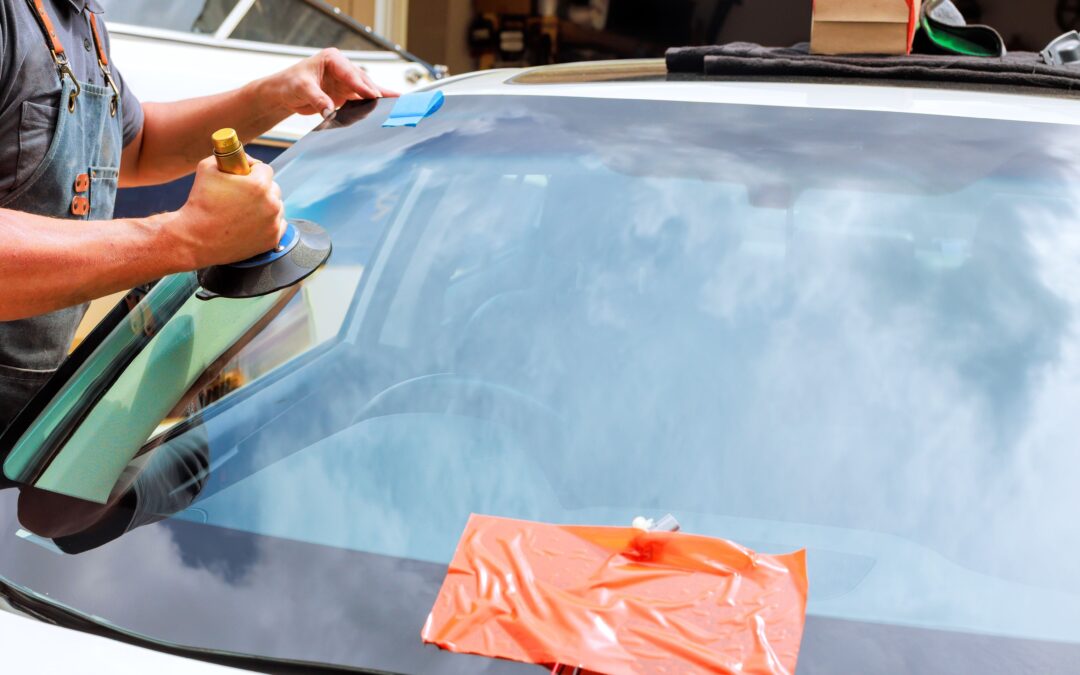
Windshields used to be simple pieces of glass, but those days are long gone. Today that big pane in front of you is a crucial part of your vehicle’s “brain.” It shapes how cameras see the road and how smart safety features react around you. If you care about windshield safety and ADAS, the way your glass is replaced and calibrated after a collision really does affect how well your car can protect you.
How Windshield Safety And ADAS Work Together
When you think about safety, you might picture strong brakes and airbags, not the windshield. Yet windshield safety and ADAS sit side by side now. Many vehicles have forward facing cameras, rain sensors, and light sensors mounted at the top of the glass. Those components track lane lines, vehicles ahead, traffic signs, and weather conditions, and then feed that information to systems that help steer, brake, or warn you.
All of that depends on the camera having a clear, undistorted view of the world. If the glass changes, even slightly, the way it bends light into that camera changes too. That means the “eyes” of your car are looking through a different lens than the one the engineers designed. When you think in those terms, windshield safety and ADAS suddenly feel like two halves of the same story instead of separate topics.
Why The Right Windshield Glass Matters
Not all windshields are created equal. Original equipment glass is made with specific thickness, curvature, tint, and optical clarity so the ADAS camera sees lane markings and objects exactly where they really are. That precision is baked into the way the system was tested and calibrated at the factory. When you hear people talk about OEM glass, this is what they are getting at.
If a replacement uses glass that does not match those standards, even small differences can throw things off. Distortion near the edges, different light transmission, or slightly different curvature can all make the image that reaches the camera less accurate. Windshield safety and ADAS would then be working at odds, with the glass sending one story and the software expecting another. You might not notice this on a sunny day, but in bad weather or at night, the gap can show up in dangerous ways.
What Happens To ADAS In A Windshield Replacement
Any time a windshield is replaced, the relationship between the glass and the camera changes. The mounting position can shift, the distance to the road can vary by a small amount, and the way light passes through the glass changes. The car does not automatically “understand” that a new windshield has gone in. From its point of view, the world suddenly looks a bit different, and its old settings may no longer match reality.
That is why windshield safety and ADAS always need to be thought of together. After glass replacement, the ADAS camera has to be recalibrated to learn its new environment. Without that step, the system is still trying to operate using the assumptions built around the original windshield. It might misjudge distances, struggle to recognize lane markings, or fail to detect objects until it is too late.
The Role Of Pre Repair Scans Before Glass Work
Before any serious collision repair or windshield replacement, a pre repair scan tells the “before” story of your car’s electronics. This scan reads fault codes across all the vehicle’s modules, including the camera and ADAS systems tied to the glass. If there are already issues recorded, we know about them before a single part is removed.
From a windshield safety and ADAS standpoint, this matters a lot. If the camera module is already upset about something, or if ADAS features have shut themselves off because of a previous impact, that information shapes the repair plan. It also gives you a baseline: here is how your car’s smart systems felt before the new glass goes in. That way, later on, we can prove that the work moved things in the right direction rather than guessing.
Why Post Repair Scans Protect You
After the windshield is replaced and any related body work is finished, a post repair scan checks whether the ADAS systems are actually happy again. This scan looks for new faults and confirms that problem codes have been resolved. For windshield safety and ADAS, it serves as a quick reality check: did the camera and related systems accept the new glass and calibration, or is something still off?
Without this step, you could drive away assuming everything is fine because no warning lights are staring at you. Many systems, though, will quietly switch themselves off when they are uncertain, or they will limit their operation instead of alerting you with a big message. A post repair scan brings those hidden stories into the open so you are not left depending on wishful thinking.
Static Calibration After Windshield Replacement
Static calibration usually takes place inside the shop. Technicians set up special targets, patterns, or boards at specific distances and angles in front of the vehicle. The car’s ADAS system then uses those references to recalibrate its view of the world through the new windshield. It is a careful process that involves precise measurements, level floors, and strict setup instructions.
When you care about windshield safety and ADAS, static calibration is like giving your vehicle a detailed eye exam after it gets new lenses. The equipment checks how the camera sees straight ahead, to the sides, and at particular angles. If it passes, you know the image streaming into the system matches the expectations built into the software. If it fails, adjustments are made until it does, instead of sending you home with guesswork.
Dynamic Calibration On The Road
Some vehicles also need dynamic calibration. This happens out on the road under real driving conditions. The technician uses a scan tool while driving at specific speeds and on certain types of roads, allowing the system to learn from lane lines, traffic, and surroundings. The car compares what the camera sees to what the computer expects and adjusts its internal settings.
From a windshield safety and ADAS perspective, dynamic calibration is like letting your car get used to its new “contacts” in the environment it will actually live in. Factory engineers designed these procedures so the system can fine tune itself in motion, not only in a quiet shop. That combination of static and dynamic methods helps build a more complete and reliable calibration, especially after glass replacement.
Real World Examples Of Windshield Related ADAS Problems
Picture a driver who has a small crack in the windshield and decides to have it replaced. The glass goes in, looks perfect, and the shop skips calibration entirely. Months later, during a stormy night, the lane departure warning barely makes a sound as the car drifts toward the edge of the lane. The driver might think the road was painted poorly, but in reality, the camera never learned how to see properly through the new glass.
Another example: a vehicle shows up after a front end collision that cracked the windshield and bent the upper frame slightly. Even after the body is straightened and fresh glass is installed, the ADAS system throws occasional fault codes. Without taking windshield safety and ADAS into account, someone might chalk that up to “quirks.” With proper calibration and scanning, we can see the camera mount is still a bit off and correct it so the car can read the road like it was built to.
OEM Glass And Mounting Hardware
Using OEM windshields is only part of the story. The mounting hardware and brackets that hold the camera in place are just as important. If those pieces are bent, worn, or replaced with parts that do not match original specs, the camera may sit at a subtly wrong angle even with the right glass. That is where attention to detail pays off.
When we talk about windshield safety and ADAS, we are really talking about getting the entire setup correct: the glass, the mounting, the calibration, and the verification scans. Skipping any piece of that puzzle increases the odds of strange behavior later. It might show up as random warnings, no warnings at all, or systems that refuse to engage when you expect them to.
How We Approach Windshield Safety And ADAS
At CA Collision, we see windshields as safety equipment, not decorative glass. Our process includes pre and post scans, OEM quality parts whenever safety systems are involved, and proper calibration according to manufacturer procedures. Windshield safety and ADAS are part of the same conversation from the moment we write an estimate to the moment you drive away.
We talk with customers in everyday language about what their specific vehicle needs and why a certain windshield or calibration step matters. That way you are not left wondering what happened behind the scenes. Our goal is a car that looks great and feels solid on the road, with the added reassurance that your smart safety features are back to working like they should. If you want to see how seriously we treat the whole repair process, you can explore our detailed collision repair services page, which walks through the broader work we handle.
See The Bigger Picture In Your Repairs
A windshield crack or a minor front end collision might seem like small problems, yet for a modern vehicle they can affect far more than appearance. If your car carries cameras and driver assistance features, windshield safety and ADAS belong on your radar every time glass or front end work is done. Asking how the shop handles scanning, calibration, and OEM glass is not nitpicking, it is looking out for the people who ride with you.
When you are ready to fix damage or replace a windshield with care for your safety systems, reach out to CA Collision at 925-484-0111. We can walk you through the process, explain what your vehicle needs, and schedule a time that fits your life. Or, if you like to research a bit first, you can contact the team directly through their online contact page, check recent testimonials, and browse the before and after gallery to see real repair results.