
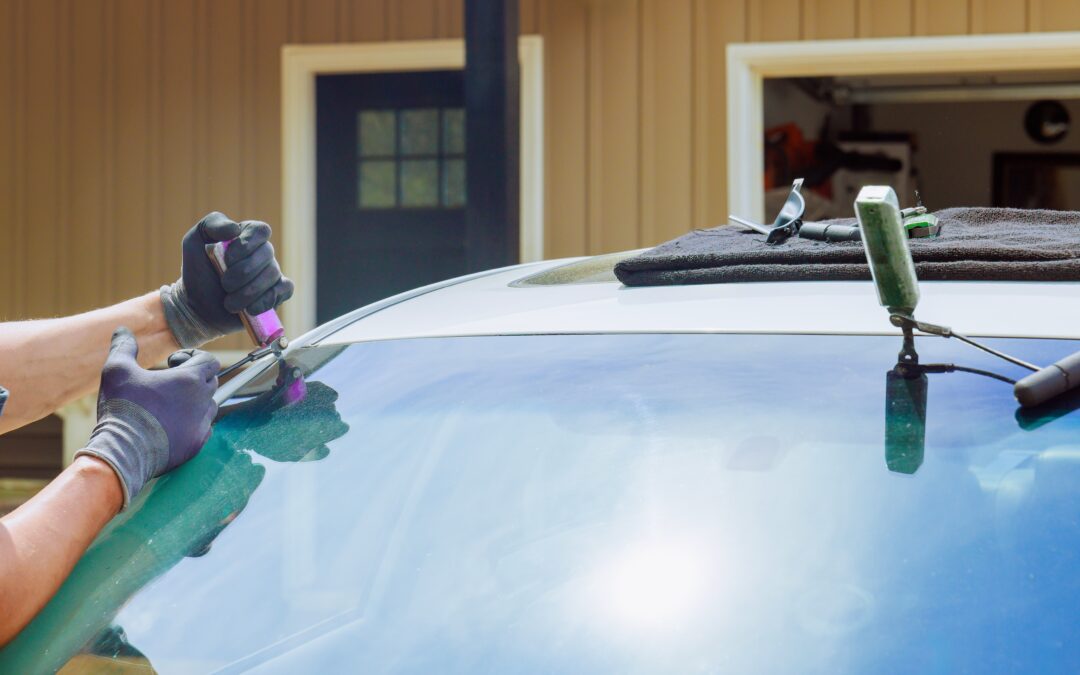
Replacing a windshield on a vehicle with lane assist sounds like a glass job, and a simple one at that. The problem is that the windshield often holds the camera that watches the road for lane markings, traffic, and other cues the driver-assist system needs. Once that glass comes out, the camera’s view changes, and the system can no longer assume everything is lined up the way it was before. That is where a routine glass replacement starts to look a lot more like a safety repair.
Why The Windshield Matters More Than You Think
A windshield on a lane assist vehicle is part of the vision system, not only a barrier against wind and rain. The camera mounted near the top of the glass reads lane lines and road edges, then feeds that data into the vehicle’s lane assist features. When that glass is removed and replaced, even a small change in angle or curvature can affect what the camera sees.
That is why replacing a windshield on these vehicles is tied directly to ADAS performance. OEM glass is built to match the factory’s optical and mounting standards, which gives the camera the view it expects. Aftermarket glass may fit the opening and look perfect to the eye, yet still change how light passes through the glass or how the camera reads the road. In a system that depends on precision, small differences can turn into strange behavior later.
OEM Glass And Camera Alignment
When replacing a windshield on a lane assist vehicle, OEM glass matters because it helps preserve the camera’s original line of sight. The camera sits in a very specific relationship to the glass, the dash, and the road ahead. If the new windshield varies in thickness, shape, or bracket placement, the camera may not point exactly where it should.
That can lead to lane assist reacting late, reacting too much, or dropping out at the wrong time. Drivers often assume the car would tell them if something was wrong, but the system may not be so dramatic. It can quietly store fault codes or simply work less confidently than it should. That is why replacing a windshield is one of those jobs that deserves a careful, tech-aware approach from start to finish.
Pre Scans Catch Hidden Problems
Before replacing a windshield, a pre scan gives the shop a snapshot of the vehicle’s electronic condition. If the camera module already has a trouble code, or if another system linked to lane assist is upset, the scan will usually show it. This matters because you do not want to blame a new windshield for an issue that was already there, and you do not want to miss a problem hiding in the electronics.
A pre scan also helps the shop document the state of the vehicle before the glass work begins. That makes the repair plan more accurate and protects the owner from guesswork later. When a shop skips this step, it is easier for hidden camera or ADAS trouble to slip through the cracks. For a job like replacing a windshield on a lane assist vehicle, that is a risk nobody needs.
Post Scans Prove The Repair Worked
After the new windshield is installed and the calibration is done, a post scan confirms whether the systems accepted the repair. If the camera and related modules are happy, the scan should show clean results or cleared codes. If something still looks off, the shop can catch it before the car leaves the bay.
That follow-up scan is the part many drivers never hear about, even though it is one of the most important. Replacing a windshield without a post scan is like rebuilding glasses and never checking if the prescription fits. The car may drive away and seem normal, yet lane assist could still be working with bad data. The post scan closes that loop and shows whether the lane assist system is ready for the road again.
Calibration After The New Glass
Once the windshield is in place, the camera usually needs recalibration. Some vehicles use a static calibration, where the shop sets up targets in a controlled space. Others need a dynamic calibration, which happens during a road test with the scan tool watching the system complete its relearning process. Many vehicles need both, depending on the design and manufacturer procedure.
This step is not optional on most lane assist vehicles. The camera’s optical path changed when the old glass came out, so the system has to relearn what “straight ahead” means. If calibration is skipped, lane assist may read lane markings a little off, which can lead to drifting warnings, late steering nudges, or system shutdowns. When replacing a windshield, calibration is what helps the camera trust the road again.
Aftermarket Windshields Can Create Trouble
People often focus on price when they are replacing a windshield, and that makes sense at first glance. Still, the less expensive glass can bring hidden issues if it is not built to OEM specs. A small change in curvature or bracket placement can shift the camera’s aim. That may not sound like much, but those fractions matter when the system is watching painted lines at highway speed.
A driver may not notice the difference right away. The car might still start, move, and stop without drama. Later, lane assist can feel uncertain, or the warning may come in a beat too late. That is why the choice of glass matters so much when replacing a windshield on a vehicle with advanced safety features.
Signs Something Feels Off
After replacing a windshield, drivers should pay attention to how lane assist behaves on familiar roads. If the vehicle begins to drift toward one side more than usual, or if the steering correction feels twitchy, the camera may not be aligned correctly. A warning light can help, but not every issue will light up the dash in a dramatic way.
Other signs can be subtle. The system may shut off in bright sunlight, misread lane markings after a rain, or fail to stay engaged on roads that used to work fine. That is where pre and post scans, plus proper calibration, earn their keep. They help catch the issue before the vehicle becomes a guessing game.
How We Handle Windshield Replacement
At CA Collision, replacing a windshield on a lane assist vehicle means more than fitting a new piece of glass. We look at the camera, the scan results, the manufacturer guidance, and the calibration needs as one job. That approach helps protect the driver from hidden trouble that can show up after the car leaves the shop
We also pay close attention to OEM parts when the vehicle’s cameras and sensors depend on them. That includes the glass itself, the mounts, and the nearby parts that keep the system aligned. If you want to learn more about our repair process, you can review our collision repair services, browse the before and after gallery, and read our testimonial page to see how other drivers felt about their repairs. When you are ready to speak with us, use our contact page to get started.
FAQs
1. Does every windshield replacement need calibration?
If the vehicle has a forward-facing camera mounted on or near the windshield, calibration is usually required after replacing a windshield. Lane assist systems rely on that camera’s exact view, and even small changes in the glass can alter the image. That is why shops treat calibration as part of the repair, not an add-on.
2. Why do pre and post scans matter for windshield work?
A pre scan shows what the car already knows before replacing a windshield, including stored codes tied to the camera or ADAS system. A post scan checks whether the new glass and calibration resolved those issues. Together, they help confirm that the system is working the way it should.
3. Can aftermarket glass affect lane assist?
Yes, it can. Aftermarket glass may fit well but still change how the camera sees lane markings or road edges. If the windshield does not match OEM optical specs, lane assist may behave less reliably.
4. How do I know if my car has a lane assist camera in the windshield?
A camera housing is often visible behind the rearview mirror at the top of the windshield. Your owner’s manual may also list lane departure warning, lane keeping assist, or forward collision warning among the safety features. If you see those features, the windshield likely plays a role in the system.
5. What happens if calibration is skipped after replacing a windshield?
The camera can remain out of sync with the road. That may lead to warning lights, odd steering corrections, or lane assist that works poorly in normal driving. Skipping calibration leaves the system guessing instead of reading the road with confidence.
6. Can a shop tell me if OEM glass is needed for my vehicle?
Yes, a good shop should be able to explain that based on the vehicle’s design and the camera setup. If the windshield supports lane assist or other ADAS features, OEM glass is often the safer choice. It helps keep the camera’s view and the system’s performance closer to factory expectations.
Keep Lane Assist Honest
When replacing a windshield on a lane assist vehicle, the glass choice, scan results, and calibration all matter. A clean install is nice, but it is not enough on its own if the camera is reading the road wrong. If you want help getting it done the right way, call CA Collision at 925-484-0111 and let us take a look at it.