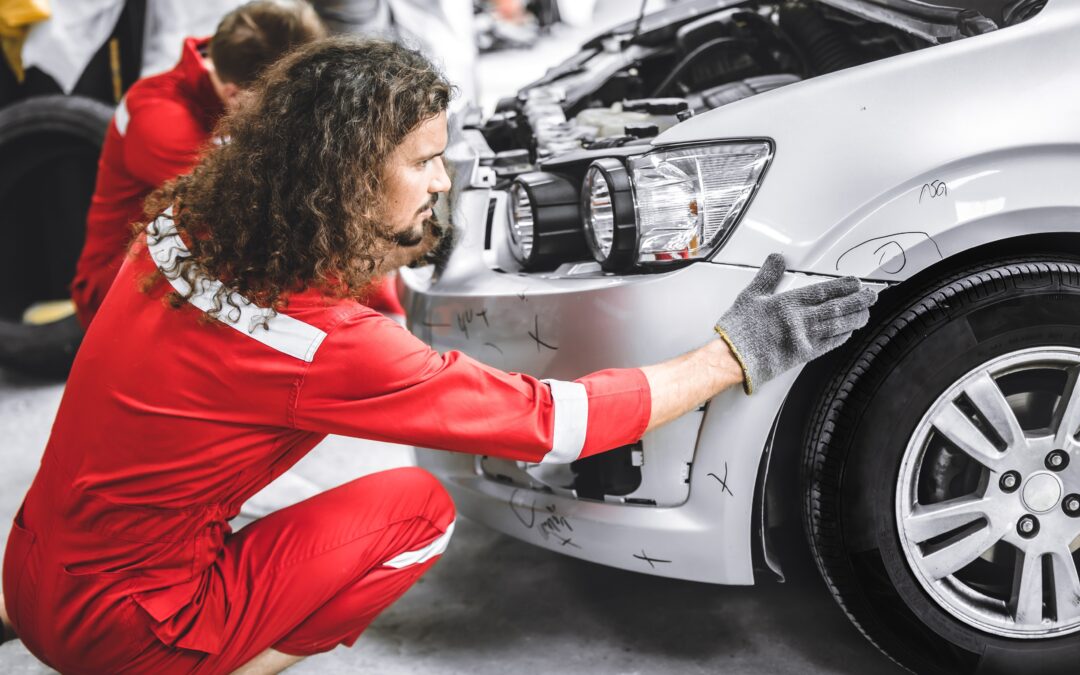
A bumper repair can look simple from the outside, but modern cars hide a lot of tech behind that cover. Front radar systems, cameras, and sensors all depend on the bumper area staying in exact alignment. That means a small hit can turn into a bigger job than most people expect.
Why Front Radar Changes The Job
Front radar systems help with features like adaptive cruise control, collision warning, and automatic braking. Those systems need a clean path through the bumper cover and grille so the sensor can read the road ahead. If the bumper shifts, the sensor mount bends, or the wrong part goes on, the system may not see the world the way it should.
That is why a bumper repair on a car with radar is not only about fixing a dent or scratch. The shop has to think about what sits behind the outer shell and how the repair affects that hardware. Even a tiny change in angle can throw off how the radar reads distance and speed.
What Hidden Damage Looks Like
A lot of hidden damage shows up in the parts you do not notice right away. The bumper may have a crack, but the bracket behind it may be bent too. The grille may still fit, yet the radar housing may no longer sit square. That kind of issue is hard to see without a careful inspection.
This is where the repair gets more technical. A car can still look drivable while the radar system is struggling in the background. You may not get a big warning right away, but the system can store fault codes or reduce performance after the impact. That is why bumper repair should never be judged by appearance alone.
Why Pre And Post Scans Matter
A pre repair scan tells the shop what the car’s computers noticed after the hit. It can show faults in the radar module, related sensors, or other systems tied to the bumper area. That helps the team build a repair plan around facts instead of guesswork.
A post repair scan checks whether the bumper repair truly fixed the issue. It confirms that the system is no longer reporting faults and that the radar is communicating properly. Without both scans, a car can leave the shop looking great but still have a safety feature that is not ready to help when needed.
OEM Parts Matter More Than People Think
When a bumper repair involves front radar, OEM parts are a big deal. The bumper cover, brackets, and grille pieces are designed to work with the sensor layout built by the manufacturer. If those parts are off, even by a little, the radar may not perform the way it should.
Aftermarket parts can fit and still cause trouble. A small difference in thickness or shape can affect how the sensor reads through the bumper area. That is why original manufacturer parts are often the safer choice when the repair touches radar or other anti-collision equipment.
Calibration Keeps The System Honest
Once the bumper repair is done, the radar system may need calibration. That process helps the sensor relearn its position and confirm that it is aimed correctly. If the bumper or mounting hardware changed, calibration gives the system a chance to reset its view of the road.
Skipping calibration can leave the system out of sync. The car may still drive normally, but the radar could misjudge a vehicle ahead or react too late. For a safety feature that is meant to help in sudden traffic changes, that is a problem worth avoiding.
How We Handle Bumper Repair
At CA Collision, bumper repair on radar-equipped vehicles gets a careful approach from the start. We inspect the visible damage, check what is happening behind the bumper, and use scans to see how the car’s computers responded to the impact. If OEM parts are needed to keep the radar system aligned, we take that seriously.
We also make sure the repair plan includes any calibration the vehicle calls for. That way, the bumper repair does not stop at surface work. It gets the attention needed to keep the safety systems working the way the manufacturer intended.
If you want to see more of our work, take a look at our collision repair services, browse the before and after gallery, and read a few testimonials.
FAQs
1. Why is bumper repair harder on cars with front radar systems?
Front radar systems sit behind the bumper area and depend on exact alignment to work correctly. If the bumper cover, bracket, or grille is off, the radar may not read the road the right way. That makes the repair more technical than a basic cosmetic fix.
2. Can a small bumper hit affect my safety features?
Yes, it can. Even a low-speed impact can move a radar mount, disturb wiring, or trigger fault codes in the car’s computers. The outside damage may look minor while the safety system is dealing with hidden issues.
3. Do I really need a scan after bumper repair?
Yes. A pre scan shows what the car recorded after the impact, and a post scan confirms the repair worked. Both are important when bumper repair involves sensors or radar equipment.
4. Why are OEM parts recommended for radar-equipped bumpers?
OEM parts are made to match the factory setup, which helps the radar system stay aligned. Aftermarket parts can differ in shape or thickness and may affect how the sensor reads through the bumper area. That can lead to inaccurate performance.
5. Does my bumper need calibration after repair?
Often, yes. If the radar system was disturbed during the repair, calibration helps it relearn its position and function properly. Without it, the system may not detect vehicles ahead as accurately.
6. How do I know if my bumper repair needs more than cosmetic work?
If your vehicle has collision warning, adaptive cruise, or other front-facing safety tech, there is a good chance the repair needs more than just a paint and body fix. A proper inspection should check both the outside and the hardware behind it. That is the only way to know if the system is truly ready.
Keep The Safety Tech In Mind
A bumper repair on a radar-equipped car needs careful planning, not a quick patch job. When scans, OEM parts, and calibration are part of the process, the safety systems have a much better shot at working right again. If your car needs that kind of attention, call CA Collision at 925-484-0111 to talk through the next step.