
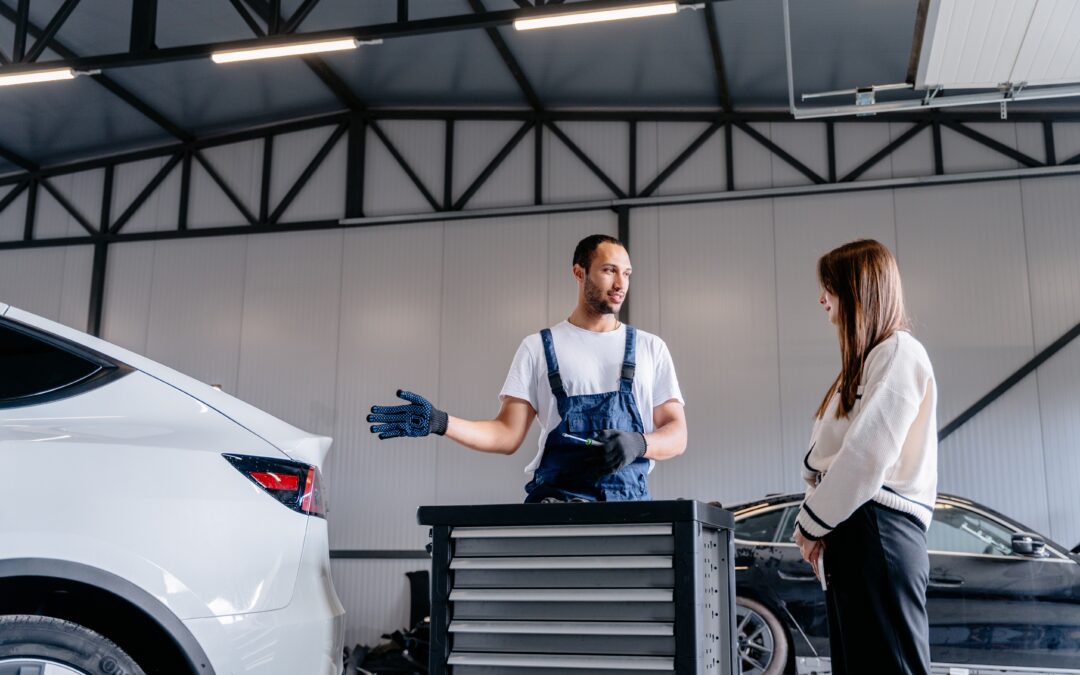
Modern cars are loaded with cameras, sensors, and computers, even if they look simple from the outside. When you repair a high-tech vehicle after a crash, you are not only fixing metal and paint, you are asking someone to work on the systems that help you stay out of trouble on the road. That is why the questions you ask a body shop before you say “yes” to repairs matter a lot. A short conversation up front can tell you whether that shop treats your safety tech as part of the job or as an afterthought.
You do not need to sound technical or know every acronym. What you need is a small checklist of practical questions that make it clear you care about how your car’s computers, cameras, and sensors are handled. If a shop answers openly and confidently, that is a good sign. If they dodge, downplay, or act irritated, you have learned something important about trusting them to repair a high-tech vehicle.
Ask About Pre And Post Scans On High-Tech Vehicles
One of the first things to bring up is scanning. A simple way to start is, “Do you perform pre and post scans on vehicles with smart safety features?” A pre scan is the car’s way of telling the shop what changed during the impact. It pulls trouble codes from the computers that manage airbags, brakes, steering, cameras, radar, and other safety systems. Even when the dash looks normal, those modules may already be complaining quietly.
Post scans come after the visible work is finished. They check whether those stored codes have been fixed and whether new issues appeared during the repair. When you repair a high-tech vehicle, having both scans in the process means the shop is listening to your car before and after, instead of guessing based solely on how the bumper looks. If a shop says scans are only needed when a warning light is on, that is a sign they may not be thinking about hidden electronic problems.
Talk About OEM Parts Near Cameras And Sensors
Next, shift the conversation to parts. An easy question is, “Will you use original manufacturer (OEM) parts in areas with sensors or cameras?” OEM bumpers, brackets, and structural pieces are designed to match the exact shapes and mounting points your safety systems expect. When you repair a high-tech vehicle, those tiny details matter more than most people realize.
Non-OEM parts can fit physically but may sit at slightly different angles or use different materials. A bumper that is a bit off can change how radar waves travel. A bracket that does not match factory specs can tilt a sensor enough to confuse its readings. When you hear a shop talk about using OEM around safety equipment, they are really talking about keeping the geometry and alignment that your anti-collision systems were designed around.
Get Clear On Windshields And Camera Calibration
If your windshield or front glass is part of the damage, you need to ask directly about it. A straightforward question is, “If my windshield is replaced, will you use OEM glass and recalibrate the camera afterward?” Many high-tech vehicles have lane assist and collision warning systems that rely on a forward-facing camera mounted at the top of the windshield.
An aftermarket windshield can look flawless yet bend or filter light differently than OEM glass. The camera sees the world through that glass. If the view changes and the camera does not get recalibrated, lane assist and collision warning can misread lane lines, hesitate, or fail to react at the right time. When you repair a high-tech vehicle, pairing OEM glass with proper calibration is not a luxury, it is part of making sure those features actually protect you rather than quietly letting you down.
Ask How The Shop Handles ADAS Calibration
You do not have to say “ADAS” if that feels too jargon-heavy. You can put it in everyday terms: “My car has lane assist and other safety features. Will any cameras or sensors need to be recalibrated after this repair?” That question makes it clear you know the car has more going on than basic brakes and airbags.
A shop that is prepared to repair a high-tech vehicle will talk about calibration like it is normal. They might explain static calibration in the shop using targets, dynamic calibration on the road, or both, depending on your vehicle. If the answer is something like, “We don’t worry about that stuff,” or “Your car will be fine as long as the bodywork looks good,” that should make you pause. Safety systems do not magically realign themselves; someone has to take responsibility for getting them back into sync.
Find Out How They Stay Up To Speed On Technology
Another good question is about training and equipment. You can say, “How do you keep your team trained on new safety and driver assistance systems?” When you repair a high-tech vehicle, you want people who understand how to work with calibration tools and follow manufacturer repair information, not a shop that relies only on routine from older cars.
Listen for answers that mention ongoing training, updated tools, and procedures specific to newer models. If a shop seems stuck in “we’ve always done it this way” mode, they may not be ready for the kind of complexity your car carries. Modern safety systems change quickly, and a shop that respects that reality usually makes a point of keeping up.
Ask About Documentation And Proof After Repairs
Finally, ask about what you’ll receive when the job is done. A simple question is, “Will I get records of any scans and calibrations you perform?” When you repair a high-tech vehicle, those documents are your proof that someone checked and reset your safety systems, not only fixed the cosmetics.
A solid shop can provide printouts or digital copies showing pre and post scan results and calibration confirmations. If a repairer cannot or will not provide this kind of documentation, it can leave you guessing later on. You would not settle for a paint job with no visible results; your safety tech deserves the same level of transparency.
Use Their Answers To Guide Your Decision
Once you have asked these questions, pay attention to both the facts and the tone of the answers. A shop that takes the time to explain scanning, OEM parts, calibration, training, and documentation in plain language is showing you they treat your car as more than sheet metal. They understand what it means to repair a high-tech vehicle and are willing to share that knowledge with you.
If, on the other hand, they dismiss your concerns, rush past the topics, or insist you “don’t need to worry about that,” you have learned something important. It may be tempting to choose the cheapest estimate, but if that savings comes from skipping the steps that protect your anti-collision systems, it can leave you driving a car that looks fixed and quietly fails to support you when it matters most.
FAQs About Repairing A High-Tech Vehicle
1. Why are pre and post scans essential when I repair a high-tech vehicle?
Pre scans show what your car’s computers recorded during the crash, including hidden issues in safety and driver assistance systems. Post scans check whether those problems were actually resolved after parts and calibrations are finished. Together, they give a clear before-and-after picture instead of leaving you to assume everything is fine based only on how the car looks.
2. Do I really need OEM parts for areas with sensors and cameras?
OEM parts are designed to match the exact shapes, mounting points, and materials that your sensors and cameras were built around. When you repair a high-tech vehicle using non-OEM parts near safety equipment, even small differences can change how radar and cameras read the road. That can lead to misalignment, calibration trouble, or safety systems that do not step in when you expect them to.
3. How can an aftermarket windshield affect my safety features?
An aftermarket windshield can look perfect yet bend or filter light differently than OEM glass. The forward-facing camera relies on specific optical qualities to interpret lane lines and vehicles accurately. If the view changes and the camera is not recalibrated correctly, lane assist and collision warning may hesitate, misjudge situations, or fail to respond in time, which can put you and your passengers at risk.
4. What’s a simple way to ask about ADAS calibration without sounding overly technical?
You can say, “My car has lane assist and collision warning. Will any cameras or sensors need to be recalibrated after this repair?” That question makes it clear you know your vehicle has advanced features and invites the shop to explain their process in everyday language. A prepared shop will talk about calibration naturally instead of brushing off the topic.
5. How do I know if a shop is truly ready to repair a high-tech vehicle?
Listen for how they talk about technology. A shop that is ready will mention scanning, OEM parts near safety equipment, proper calibration procedures, and documentation of their work. They will answer your questions directly and without annoyance. If they downplay these steps or seem unfamiliar with them, that may be a sign they are not fully equipped to handle the complexity in your vehicle.
Your Next Step To Repair A High-Tech Vehicle Safely
If you’re looking at repairs and want to be sure your car’s safety tech gets the same attention as its bodywork, reach out to CA Collision at 925-484-0111. We can walk you through exactly how we handle scans, OEM parts, windshield and camera work, and calibration so you feel confident about every step. Explore our collision repair services, look through the before and after gallery, and read real customer testimonials about their experience. You can also get in touch through our online contact page if that fits your day better.